


Most drivers who shop for winter tires expect one number: the price of four tires. Also, the real bill is usually bigger. Do you put the winter tires on their own wheels or remount them every fall and spring? Do you need TPMS sensors for that second set? Where do the summer tires live from December to March? Each answer moves the total by hundreds of dollars. Here is what winter tire cost really adds up to once wheels, sensors, swaps and storage are counted.
The good news is that the extra spending is not all new cost. While the winter set is on the car, your all-season or summer tires are not wearing, so the two sets share the miles and each lasts more calendar years. In addition, this guide breaks down typical winter tire prices by vehicle, compares studded and studless options, adds up the cost of wheels, swaps and storage and shows where you can save without giving up the traction you are paying for.
How this guide was put together: This guide is general information based on manufacturer guidance, federal rules and industry practice, with sources listed at the end. Prices are typical ranges, not quotes, and policies change; checked on October 23, 2026.
Table of Contents
Winter Tires Cost by Vehicle Type
Tire size drives cost more than anything else. A compact car on 15- or 16-inch wheels sits at the low end, while a full-size pickup or a luxury SUV on 20-inch wheels can cost two to three times as much for the same brand. Brand tier matters next: premium names such as Michelin, Bridgestone and Continental typically cost more than midrange options like General or Firestone, and lesser-known budget brands cost less still.
The ranges below reflect typical US retail pricing per tire before installation. Prices shift with season, promotions, tariffs and supply, so treat them as a starting point for budgeting rather than a quote.
| Vehicle and Typical Size | Approximate Price per Tire | Approximate Set of Four |
|---|---|---|
| Compact or midsize car (15-17 inch) | $90 to $200 | $360 to $800 |
| Crossover or small SUV (17-19 inch) | $130 to $260 | $520 to $1,040 |
| Midsize or large SUV (18-20 inch) | $170 to $320 | $680 to $1,280 |
| Pickup truck, LT sizes | $190 to $400+ | $760 to $1,600+ |
| Performance or luxury car (18-21 inch) | $200 to $400+ | $800 to $1,600+ |
Premium winter tires in popular sizes often sit in the upper half of each range, and budget brands in the lower half. If your vehicle offers more than one factory wheel size, the smaller approved size is usually cheaper and often performs better in snow.
Studded vs Studless: Price and Practicality
Studless Winter Tires
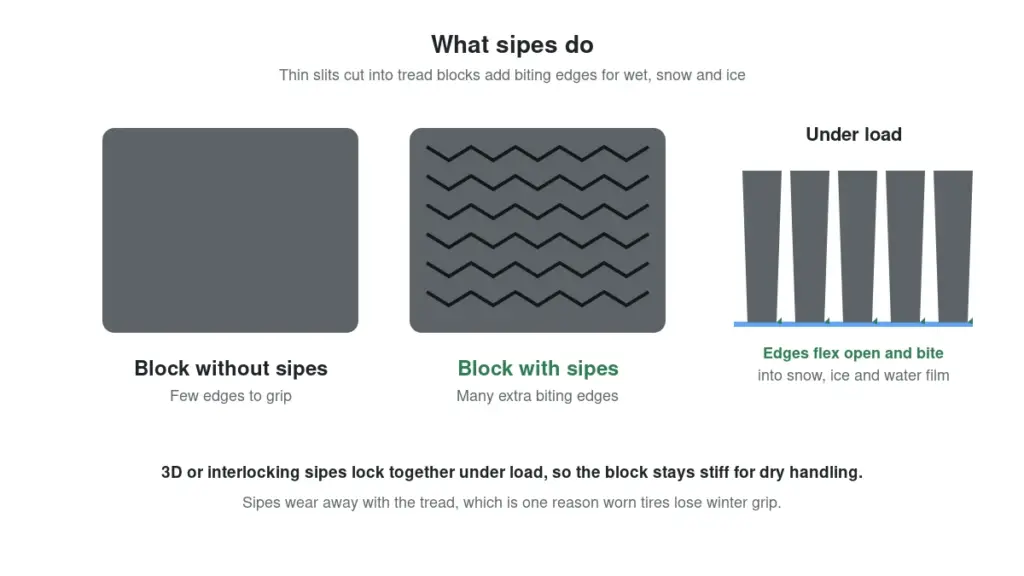
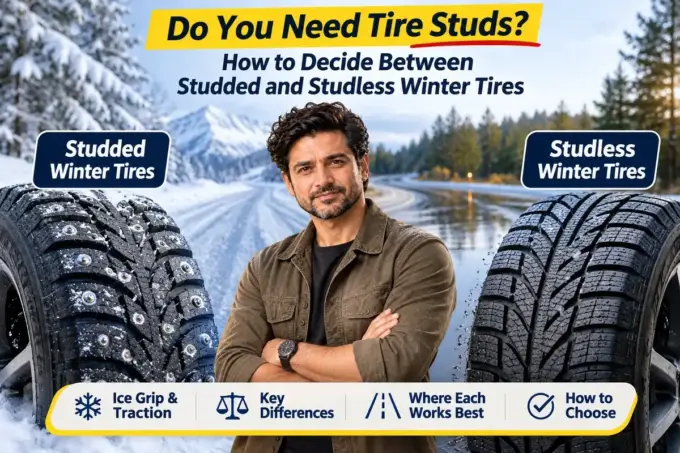
Most winter tires sold in the US today are studless. They rely on soft compounds that stay flexible well below freezing, deep tread and thousands of small slits called sipes to grip snow and ice. Premium studless models are very effective on packed snow and ice, and they are generally legal everywhere.
Studded and Studdable Tires
Studded tires use small metal pins to bite into ice, which makes them especially strong on glare ice and hard-packed surfaces. Some tires come pre-studded from the factory, while studdable models have molded holes so a shop can add studs. Studding a studdable tire usually adds a moderate per-tire charge, often in the range of $15 to $30, though shop rates vary.
The trade-offs are real. Studded tires are noisier, can wear faster on bare pavement and can damage road surfaces. Rules differ widely: some states prohibit studs entirely, many allow them only between set fall and spring dates and a few limit them by vehicle type. Check your state’s current regulations before you buy, and make sure the dates match how long you plan to run them.
| Factor | Studless | Studded |
|---|---|---|
| Up-front cost | Base price | Base price plus factory studs or studding fee |
| Ice traction | Very good on premium models | Excellent, especially on glare ice |
| Dry and wet pavement | Quieter, better road feel | Noisier, can feel less precise |
| Legal restrictions | Generally allowed | Banned in some states, seasonal windows in many |
| Best for | Most snow-belt drivers | Regular ice, rural and northern routes |
The Second Set of Wheels
The biggest decision after choosing the tires is whether to mount them on dedicated wheels.
Remounting on Your Existing Wheels
Mounting winter tires on your current wheels avoids buying more wheels, but you pay to dismount, mount and balance every spring and fall. At roughly $15 to $45 per tire per visit, that can add up to $120 to $360 or more per year, and each remount adds a bit of wear and risk to the tire beads and TPMS sensors.
Buying Dedicated Winter Wheels
A separate wheel set costs more up front but makes every future swap quick and cheaper. Steel wheels are the economical choice, commonly around $50 to $120 each, and they handle salt and potholes well. Alloy wheels often run $100 to $300 or more each and look closer to factory wheels. Our steel or alloy winter wheels guide compares the two in more detail.
Many modern vehicles also need TPMS sensors in the winter wheels or the warning light stays on. Aftermarket sensors commonly add about $30 to $80 each, plus programming. In general, some retailers sell complete winter packages with tires, wheels, sensors and lug nuts already mounted and balanced, often at a lower combined price than buying each piece separately.
Over three or more winters, dedicated wheels usually pay for themselves through lower swap fees, and they make it easy to switch on short notice when the first storm arrives.
Installation, Seasonal Swaps and Storage
First Installation
When you buy new winter tires, mounting and balancing typically costs about $15 to $45 per tire, and some retailers include it in a package or promotion. Expect possible extra charges for valve stems or TPMS service kits and tire disposal fees where they apply.
Each Seasonal Changeover
If your winter tires are already on wheels, a seasonal swap is usually a simple wheel change, often in the range of $40 to $100 for all four at many shops. In fact, some shops include a balance check. Without dedicated wheels, expect the full dismount, mount and balance charge each time.
Storage
Storage at a tire shop or dealer often costs roughly $50 to $150 per season, and some shops bundle it with seasonal swaps. Storing tires at home is free if you have the space. Clean them, keep them out of sunlight and away from heat sources and electric motors and stack mounted tires flat or hang them on wheel hooks.
Adding Up Winter Tires Cost: First Year and Long Term
Here is how the costs combine for a typical crossover, using midpoints of the ranges above.
- Four midrange winter tires: about $750.
- Four steel wheels: about $350.
- Four TPMS sensors with programming: about $250.
- Mounting and balancing: about $120.
- Storage for one season: about $100.
That puts the first year near $1,500 with dedicated wheels, sensors and shop storage. Skipping the wheels and storing at home cuts the first-year cost roughly in half, though remounting fees then repeat every year.
The long-term picture looks better than that first number. Winter tires often last about three to five seasons depending on mileage, climate and how early you swap back in spring. Meanwhile, your all-season or summer tires sit idle for several months each year, so they last more calendar years too. Over the life of the vehicle, much of what you spend on winter tires comes back as slower replacement of your other set.
When to Install and Remove Them
The common rule of thumb is to install winter tires once daily temperatures consistently stay around 45 degrees Fahrenheit (7 degrees Celsius) or below, when all-season compounds begin to stiffen. In much of the northern US, that means late October or November, with removal in March or April.
Leaving winter tires on into warm weather costs money. Their soft compounds wear quickly on warm, dry pavement, and handling and braking are less precise than with an all-season or summer tire. Swapping back promptly in spring protects your investment.
Legal Requirements and Insurance
In the US, no state broadly requires winter tires on passenger cars, but some mountain corridors have traction rules. Colorado’s traction law, for example, can require adequate tires such as winter tires, mud-and-snow rated tires or chains on certain highways, including the I-70 mountain corridor, when it is in effect. Other states use chain controls during storms.
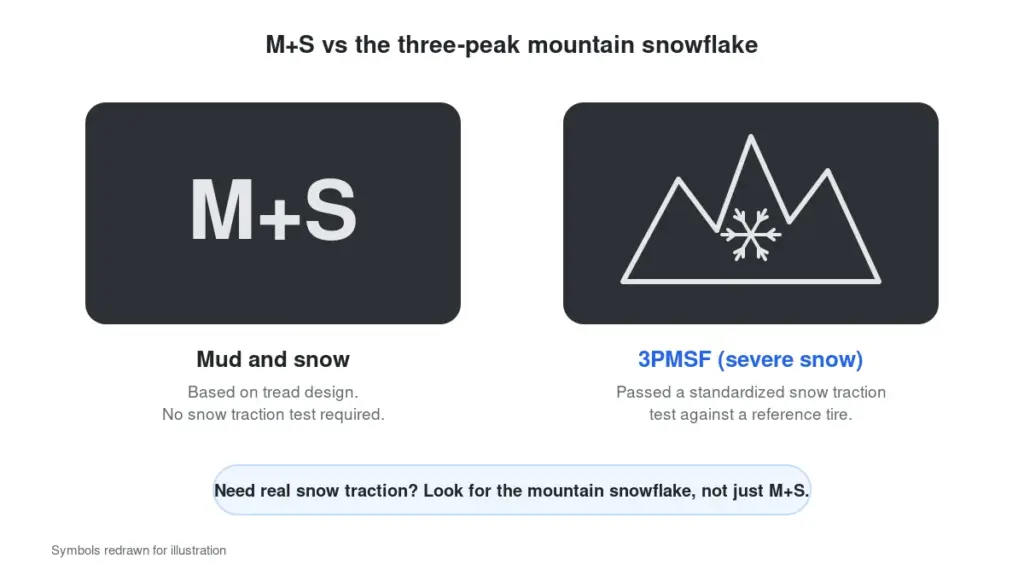
Canada is stricter. Quebec requires winter tires on passenger vehicles from December 1 to March 15. British Columbia requires winter tires (marked with the three-peak mountain snowflake or M+S symbol) or chains on many designated highways from October 1 to March 31, with some routes extending into April. Rules change, so confirm current dates with your province or state.
In Ontario, insurers must offer a discount to drivers who use winter tires, so ask your insurer about it if you drive there.
Some US insurers may offer a winter tire discount as well, but availability varies by company and state. The larger financial argument is avoiding a collision, a tow or a missed day of work after a slide into a ditch, costs that a deductible alone can exceed.
Ways to Lower Your Winter Tires Cost
- Buy early or late: Promotions and manufacturer rebates commonly appear in the fall, and some retailers discount remaining stock in late winter.
- Downsize within approved fitments: A smaller factory-approved wheel size often means cheaper tires and wheels.
- Choose steel wheels: They cost less and handle winter abuse well.
- Ask about packages: Wheel-and-tire packages and bundled storage or swap plans can reduce the combined price.
- Consider used with care: Used winter tires can save money, but check the DOT date code, tread depth, sidewall condition and any repairs. Older winter compounds harden with time and lose ice grip even if the tread looks fine.
- Read financing terms carefully: Deferred-interest store cards can charge retroactive interest if the balance is not paid off in time.
Related guides: How Much Do Tire Chains Cost? and How Much Do Truck Tires Cost?
Frequently Asked Questions
For a compact or midsize car, winter tires commonly run about $90 to $200 each, or roughly $360 to $800 for a set of four before installation. Premium brands and larger sizes cost more.
Usually somewhat. Pre-studded tires carry a higher price, and adding studs to a studdable tire typically adds a per-tire fee. Studded tires are also restricted or banned in some states, so check local rules first.
No, but they save money and hassle over time. Without dedicated wheels, you pay for mounting and balancing every spring and fall. A set of steel wheels often pays for itself within a few seasons.
Swapping wheel-mounted winter tires often costs about $40 to $100 for all four. Remounting tires on the same wheels costs more because each tire must be dismounted, mounted and balanced.
For drivers who regularly face snow, ice or temperatures below about 45 degrees Fahrenheit, yes. They improve braking and traction in cold conditions, and running two sets spreads wear so your other tires last longer.
Many sets last about three to five seasons, depending on miles driven, climate, storage and whether they are removed promptly in spring. Replace them when tread gets low or the rubber has aged and hardened.
Is the Winter Tires Cost Worth It? Our Take
Winter tire cost goes well beyond the price on the tire rack. For a typical crossover, a complete setup with tires, steel wheels, sensors, installation and storage can approach $1,500 in the first year, while a car owner who remounts on existing wheels and stores at home might spend less than half of that.
What makes the expense easier to justify is how it spreads out. Your all-season or summer tires last longer, dedicated wheels make swaps cheaper and quicker, and a better grip on cold, slick roads reduces the chance of far bigger costs. If you drive regularly in snow and ice, budget for the full setup rather than the tires alone and buy once, carefully.
Sources
Specs, warranty terms and prices were checked on October 23, 2026. Prices change often.
- NHTSA: Tires (tire safety, pressure, tread and DOT codes)
- USTMA: Tire care (industry tire care and maintenance guidance)
 Summarize this article with:












Leave a comment