


Spring arrives, the snow is gone and the winter tires are still on the car. Swapping them means booking an appointment, paying for the changeover and finding somewhere to keep a second set. Leaving them on until next December seems easier, and plenty of drivers wonder whether it really makes a difference. Here is what running winter tires in summer really costs you.
It does, and the costs show up in three places: the tires wear out much faster, the car stops and corners less well on warm pavement, and you burn a little more fuel. None of that makes winter tires dangerous in July the way bald tires are dangerous, but it turns an expensive, specialized set of tires into a poor summer tire that is being used up quickly. Here is what happens, why it happens and how to decide when to make the switch.
How this guide was put together: This guide is general information based on manufacturer guidance, federal rules and industry practice, with sources listed at the end. Prices are typical ranges, not quotes, and policies change; checked on October 23, 2026.
Table of Contents
What Makes a Winter Tire Different
A winter tire is built around one goal: grip when the air is cold and the road is covered in snow, slush or ice. Three features get it there.
- A soft, cold-flexible compound. Ordinary tire rubber stiffens as temperatures fall, and stiff rubber grips poorly. Winter compounds use high silica content and specialized polymers that stay pliable well below freezing.
- Deep tread with wide grooves. New winter tires typically start with deeper tread than all-season tires, and their open, high-void patterns pack and release snow and channel slush away.
- Dense siping. Thousands of thin slits in the tread blocks create biting edges that grip ice and packed snow.
Each of those features works against the tire once the weather turns warm. That is the core of the problem.
What Happens to Winter Tires in Warm Weather
The usual threshold is about 45°F (7°C). Below that, a winter tire’s compound has a clear advantage over all-season and summer tires, even on dry pavement. Above it, the advantage fades, and as temperatures climb into summer ranges the softness that helps in January becomes a liability.
Faster Tread Wear
This is the most predictable and most expensive effect. Hot pavement softens an already soft compound further, and the tall, flexible tread blocks squirm and scrub as they roll. Wear accelerates, especially on long highway drives where the tires stay hot for hours. Winter tires typically deliver somewhere around 20,000 to 40,000 miles even when they are removed every spring. Running them year-round eats into that total quickly, and the miles you burn in summer are miles you no longer have in winter, when the tires actually earn their keep.
Longer Stopping Distances
Warm-weather braking suffers because the soft compound and flexible tread blocks deform under hard braking instead of holding their shape. An independent braking test on dry pavement at 63°F compared a new Bridgestone Blizzak winter tire with a new all-season tire on the same vehicle. From 60 mph, the winter tires needed about 4 feet more to stop on the first run. By the third consecutive stop, the gap had grown to more than 8 feet, because the winter tires lost grip as they heated up while the all-season tires stayed consistent.
A few feet may sound minor, but it can be the difference between a close call and a collision. And that test was run at a mild 63°F, well below the temperatures many US roads see in July.
Vaguer Handling
Tall, heavily siped tread blocks flex under cornering loads. On cold, snowy roads that flex helps the tread conform and bite. On warm pavement it shows up as a soft, delayed steering response, more body movement in quick lane changes and less grip at the limit. A sudden swerve to avoid debris or a stopped car is where this matters most.
Rain Is Not a Free Pass
Winter tires have deep grooves and plenty of void, which can help clear water. But their compound and siping are optimized for cold, and summer rain on warm pavement is a different job. A summer or all-season tire tuned for warm wet grip will usually stop and corner better in a summer downpour, and a winter tire that has already worn down from hot-weather use loses much of its water-clearing depth.
More Noise and Higher Fuel Use
The aggressive, open tread pattern hums louder on dry highways than a typical touring tire, and the soft, squirming rubber adds rolling resistance. The fuel economy penalty is modest, but it is a cost you pay every mile until the tires come off.
Speed Rating Limits
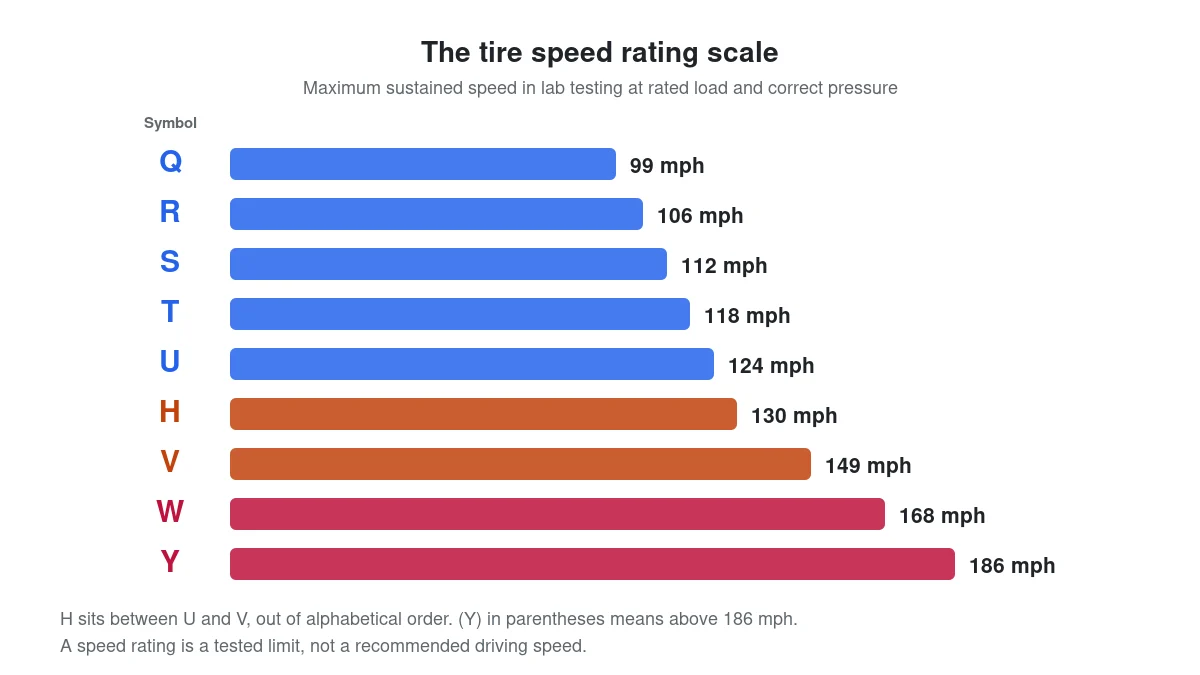
Many winter tires carry lower speed ratings than the all-season or summer tires they replace, commonly Q (99 mph), S (112 mph), T (118 mph) or H (130 mph). That rarely matters for legal driving, but it signals a tire built for traction in poor conditions, not for sustained high speed and heat on a summer road trip with a fully loaded car.
Winter Tires vs Summer Alternatives
If the winter set comes off, something has to go on. Each option makes sense for a different driver.
| Tire Type | Warm-Weather Strengths | Limitations | Best For |
|---|---|---|---|
| Winter tires | Deep tread clears water | Fast wear, longer braking, soft handling above about 45°F | Cold months only |
| All-season tires | Long tread life, comfortable, decent wet grip, light-snow capable | Less grip than summer tires, far less winter grip than winter tires | Commuters who want one warm-weather set for spring through fall |
| Summer tires | Sharpest steering, shortest dry and wet braking in warm weather | Lose grip and can crack in near-freezing temperatures | Performance drivers in warm months |
| All-weather tires | 3PMSF-rated for severe snow and usable year-round | Not as strong on ice and deep snow as winter tires, or as sharp as summer tires | Drivers in milder winter climates who want to avoid seasonal swaps |
Touring tires, which are usually all-season designs tuned for a quiet ride and long tread life, are a popular summer partner for a winter set on family cars. For a deeper comparison, see our winter tires vs all-season tires article.
Is It Legal to Drive Winter Tires in Summer?
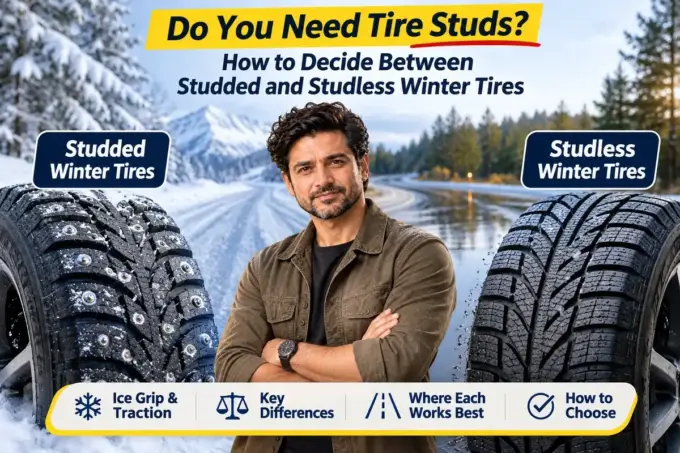
In the United States, no state bans non-studded winter tires in summer. The legal restrictions that exist apply to studded tires, which most states that allow them limit to a defined winter season, with some states banning them entirely. If your winter tires are studded, check your state’s dates before spring arrives. Our article on whether you can drive studded tires in the summer covers that question in detail.
Quebec is the best-known North American example of a mandatory winter tire law, requiring winter tires on Quebec-registered passenger vehicles from December 1 through March 15. It does not forbid keeping them on afterward, and the provincial road safety agency notes that drivers in some regions may want to leave them on past the deadline. Some European countries have their own rules, including requirements tied to winter road conditions, so travelers should check local regulations.
Leaving winter tires on in summer is usually legal, but it is still an expensive way to use up a set of tires that cost a lot to buy.
When to Swap Your Winter Tires
The 45°F guideline works in both directions. In spring, make the change once daily temperatures stay consistently above about 45°F, including overnight lows. Swapping on the first warm week is risky in regions where April snowstorms are common, so it is safer to wait until the local forecast is reliably mild.
A few practical points make the changeover smoother:
- Book early. Tire shops get busy in the first warm weeks of spring.
- Check tread depth before storing the set. Winter tires lose much of their snow effectiveness at about 6/32 inch, even though they remain road-legal until 2/32 inch.
- Inspect for cuts, bulges, embedded stones and uneven wear, which can point to alignment problems.
- Mark each tire’s position so you can rotate them when they go back on.
- If you swap tires on your own wheels, torque the lug nuts to the vehicle maker’s specification and recheck them after the first few dozen miles.
Should You Use Up Old Winter Tires in Summer?
Running nearly worn winter tires through one last summer is a way to get your money’s worth, with the trade-offs above. It is not dangerous in itself if the tires are legal and in good condition, but it trades away braking and handling for a few hundred dollars of value. If the tires are already below about 6/32 inch, they are no longer much use in snow anyway, so retiring them and starting next winter with a fresh set is often the better choice.
How to Store Winter Tires Over Summer
Good storage protects your investment and helps the tires last more seasons, since rubber ages faster when it sits in heat, sunlight and ozone.
- Clean the tires and wheels and let them dry completely.
- Skip tire shine or dressing before storage.
- Place each tire in a large, clean, airtight plastic bag, press out as much air as possible and seal it. This slows the loss of oils from the rubber.
- Store tires mounted on wheels stacked flat or hung by the rim. Store unmounted tires standing upright, and never hang them.
- Choose a cool, dry, shaded spot away from direct sunlight, heat sources and anything that produces ozone, such as furnaces, sump pumps, compressors and other electric motors.
- Keep them away from gasoline, oil and solvents.
For more on location and setup, our guide to how to store tires covers garages, basements and storage options in more detail.
Related guides: Winter Driving Guide, Driving With Mismatched Tires and How to Pass Your Driving Test the First Time
Frequently Asked Questions
It is not immediately dangerous, but it is a poor trade. The tires wear much faster on hot pavement, stopping distances grow, handling becomes vaguer and fuel use rises slightly. You also use up tread that would be far more valuable in winter.
The common guideline is about 45°F (7°C). Once daily temperatures, including overnight lows, stay consistently above that level, it is time to switch to all-season or summer tires.
There is no single figure, because wear depends on temperatures, driving style and road surfaces. Wear accelerates noticeably in hot weather, especially during long highway drives, and running winter tires year-round can easily consume them in a fraction of the time they would last as a seasonal set.
Yes. In an independent test on dry pavement at 63°F, winter tires needed about 4 feet more than all-season tires to stop from 60 mph, and the gap grew to more than 8 feet after repeated stops as the soft compound heated up.
Not in the United States for non-studded winter tires. Studded tires are a different matter, since most states that permit them limit their use to a winter season. Check your state’s rules if your tires have studs.
Yes, if your winters are moderate. All-weather tires carry the three-peak mountain snowflake symbol for severe snow and can stay on year-round. They still fall short of dedicated winter tires on ice and deep snow, and they will not handle like a true summer tire.
Our Take: Swap Them When It Warms Up
Winter tires are specialists, and summer is the one season they are worst at. Leaving them on through the warm months burns through soft, expensive tread, adds stopping distance and dulls the car’s responses, all to avoid a changeover that takes an hour or so.
For most drivers in snowy climates, two sets of tires are the smartest arrangement: winter tires from late fall until temperatures stay above about 45°F, then all-season, touring or summer tires until fall returns. Because each set only works part of the year, the combined cost per mile is often closer to that of a single set than it first appears. If two sets do not fit your budget or storage space, an all-weather tire is a reasonable compromise. Running winter tires all summer is the one option that costs more and delivers less.
Sources
Specs, warranty terms and prices were checked on October 23, 2026. Prices change often.
- NHTSA: Tires (tire safety, pressure, tread and DOT codes)
- USTMA: Tire care (industry tire care and maintenance guidance)
 Summarize this article with:













Leave a comment